
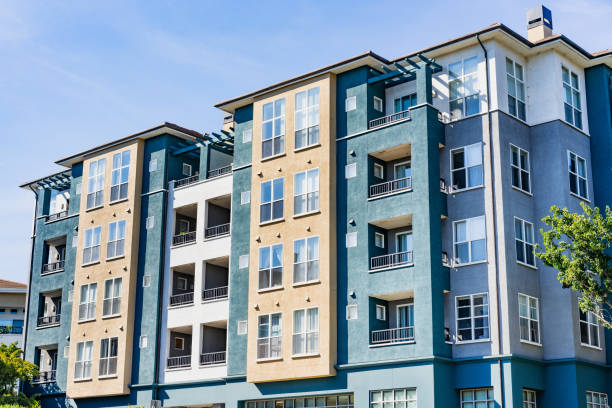

Multifamily housing emerged as the dominant sector in commercial real estate (CRE) bid competition during October, reflecting strong investor demand for rental properties amid shifting market dynamics. Analysts say this trend highlights the resilience of the multifamily segment even as other CRE sectors face uncertainty.
Multifamily Sector Outpaces Other CRE Assets
According to recent market data:
- Multifamily properties accounted for the largest share of competitive bids in October.
- Investors are attracted to stable rental income, long-term leases, and diversified tenant bases.
- Other sectors, including office and retail, experienced slower bidding activity due to concerns over vacancies and changing demand patterns.
The competitive environment underscores the premium investors are willing to pay for multifamily assets that promise steady cash flow.
Why Multifamily Housing Is Attracting Investors
Several factors drive heightened competition:
1. Housing Demand and Rent Growth
- Strong demand for rental housing in urban and suburban markets
- Limited housing supply pushes rents higher, enhancing investment returns
2. Economic Resilience
- Multifamily investments are considered less sensitive to economic downturns compared to office or retail properties.
3. Predictable Cash Flow
- Long-term leases and diversified tenant portfolios provide stable, recurring income.
4. Investor Confidence
- Institutional investors and private equity firms increasingly favor multifamily assets as a hedge against market volatility.
Regional Highlights
- Sun Belt Cities: Houston, Dallas, Atlanta, and Phoenix saw intense bidding due to population growth and strong rental demand.
- Coastal Markets: New York, Los Angeles, and San Francisco remain competitive but offer slower yield growth compared to emerging markets.
- Suburban Hotspots: Suburban areas benefit from post-pandemic migration trends, attracting both institutional and individual investors.
Challenges Facing CRE Investors
While multifamily remains strong, some challenges persist across the broader CRE market:
- Rising interest rates increase borrowing costs, reducing potential returns.
- Supply chain delays can impact construction timelines for new developments.
- Inflationary pressures affect operational expenses and cap rates.
- Office and retail sectors continue to struggle with occupancy and changing demand patterns.
These factors have led some investors to favor multifamily housing over riskier CRE sectors.
Looking Ahead
Analysts predict that multifamily housing will continue to dominate CRE bidding activity in the near term. Key trends include:
- Increased focus on suburban and secondary markets
- Adoption of proptech solutions to optimize property management
- Growth in mixed-use developments combining residential and commercial components
- Continued interest from institutional investors seeking stable returns
The sector’s resilience positions it as a safe harbor for investors navigating uncertainty in office, retail, and industrial markets.
Conclusion
October’s commercial real estate data confirms that multifamily housing is leading the competition for investor dollars. Strong rental demand, predictable cash flow, and relative market stability make it the preferred choice amid an evolving CRE landscape. As investors continue to seek reliable returns, multifamily assets are likely to remain at the forefront of competitive bidding in the months ahead.