
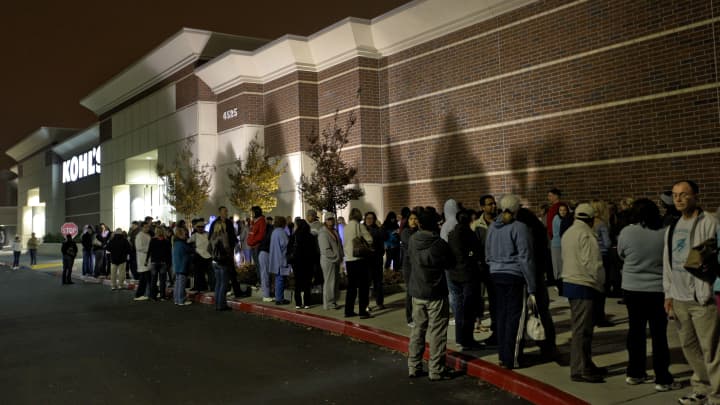

Once a highly anticipated shopping extravaganza, Black Friday has lost some of its luster for consumers, analysts, and retailers alike. Experts say that in an effort to sustain high sales volumes year after year, retailers have diluted the excitement and exclusivity of deals, leaving shoppers underwhelmed.
The Evolution of Black Friday
Black Friday began as a one-day shopping frenzy following Thanksgiving, with retailers offering limited-time, doorbuster deals to attract crowds. Over time:
- The event expanded into a multi-day or even multi-week promotion.
- Online sales and e-commerce platforms enabled early access to deals, reducing the urgency of in-store shopping.
- Retailers increasingly offer less significant discounts, spreading promotions across multiple categories to maximize revenue.
Why Consumers Feel Let Down
Shoppers report several reasons for declining excitement:
1. Over-Saturation of Deals
- Promotions are now available weeks before Black Friday, reducing the sense of urgency.
- Consumers are less likely to encounter truly exclusive or deep discounts on big-ticket items.
2. Marketing Overload
- Excessive emails, advertisements, and notifications create a sense of fatigue.
- Instead of anticipation, shoppers feel overwhelmed and skeptical about deal quality.
3. Shifts in Shopping Behavior
- Many consumers now plan purchases in advance, using comparison tools to find deals throughout November.
- Mobile apps and online price trackers allow shoppers to bypass the traditional “doorbuster” experience.
Retailers’ Perspective
Retailers acknowledge the challenge of balancing sales volume with consumer expectations:
- Expanding Black Friday promotions helps spread revenue across a longer period, reducing operational stress.
- Multi-channel marketing, including online, in-store, and app-based promotions, aims to capture a wider audience.
- Analysts warn that excessive dilution of deals can erode brand trust and excitement over time.
Economic and Cultural Shifts
Other factors contributing to the Black Friday letdown include:
- Economic pressures: Inflation, rising interest rates, and household debt may limit spending.
- Changing demographics: Younger consumers increasingly value experiences over material goods.
- Sustainability concerns: Some shoppers avoid impulsive purchases due to environmental impact awareness.
The Future of Black Friday
Experts predict the following trends:
- Smarter Deals, Not Just More Deals: Retailers may focus on high-value discounts for select items rather than blanket promotions.
- Hybrid Shopping Experiences: Blending online and in-store promotions to maintain excitement while accommodating convenience.
- Personalized Marketing: Using data analytics to target consumers with relevant, meaningful deals instead of overwhelming them.
Conclusion
Black Friday has shifted from a high-stakes, one-day event to a prolonged, often diluted shopping period. While retailers aim to sustain revenue, overextension of deals has led to consumer disappointment and decreased excitement. To restore its former appeal, experts suggest focused, exclusive promotions and smarter engagement strategies that resonate with modern shoppers.