
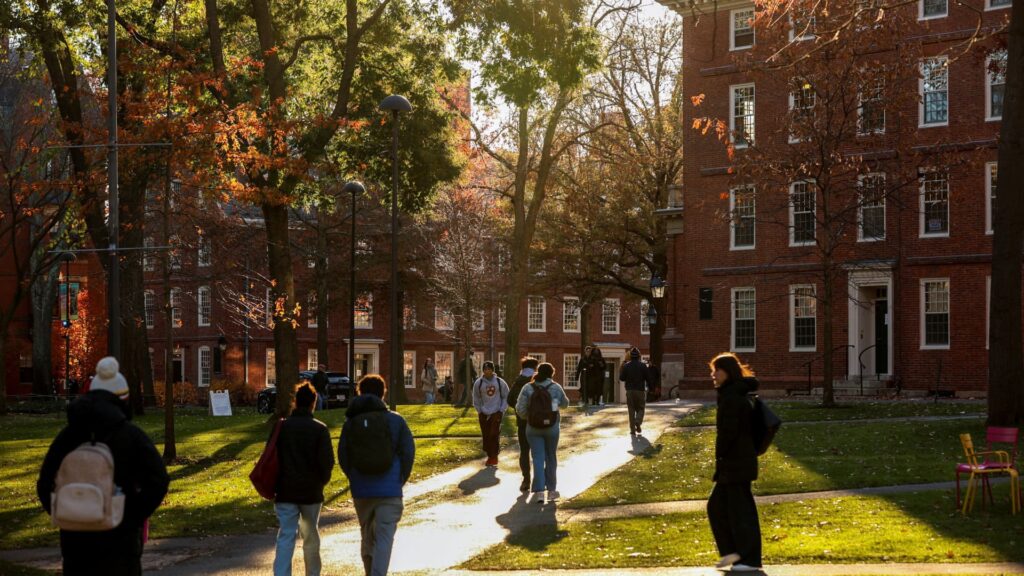

The United States is experiencing a notable decline in international student enrollment, a trend that could result in billions in lost revenue for universities and the broader economy. Experts warn that continued drops in foreign student numbers may have wide-reaching impacts on higher education funding, research programs, and local economies.
The Scope of the Decline
Recent reports indicate:
- International student enrollment has fallen compared to pre-pandemic levels.
- Key contributing factors include visa delays, stricter immigration policies, and global competition from other education destinations.
- The National Association of Foreign Student Advisers (NAFSA) estimates that a decline in enrollment could cost U.S. higher education institutions nearly $1 billion in tuition revenue annually.
This decline not only affects universities but also impacts housing, local businesses, and services that rely on international student spending.
Factors Driving the Enrollment Drop
Several factors contribute to declining international student numbers:
1. Visa and Immigration Challenges
- Lengthy visa processing and policy uncertainty discourage prospective students.
- Post-pandemic backlogs and stricter entry requirements have slowed enrollment growth.
2. Rising Costs
- Tuition increases and living expenses make the U.S. a less competitive option compared to countries like Canada, Australia, and the UK.
- Currency fluctuations and economic instability in students’ home countries also play a role.
3. Global Competition
- Other countries actively recruit international students through scholarships, simplified visa processes, and work opportunities.
- This has diverted potential applicants away from U.S. institutions.
4. COVID-19 Legacy Effects
- Remote learning experiences and travel restrictions during the pandemic created uncertainty and hesitancy for prospective international students.
Economic Impact
Declining enrollment affects the U.S. economy in multiple ways:
- Tuition and fees: International students typically pay full tuition, generating significant revenue for universities.
- Local economies: Spending on housing, food, transportation, and services supports jobs and small businesses.
- Research and innovation: International students contribute to STEM programs, graduate research, and university partnerships, which are critical for innovation.
A prolonged decline could lead to budget shortfalls, program cuts, and reduced international collaboration.
Potential Solutions
Universities and policymakers are exploring strategies to attract and retain international students:
1. Simplifying Visa Processes
- Streamlining visa approvals and offering more flexible work-study options.
2. Financial Incentives
- Scholarships, assistantships, and tuition discounts targeted at international students.
3. Enhanced Recruitment
- Marketing campaigns in key countries to highlight the value of U.S. education.
4. Improved Student Support
- Providing housing, cultural integration programs, and career services to enhance the student experience.
Looking Ahead
Higher education experts emphasize that reversing the decline in international enrollment is critical for maintaining U.S. competitiveness in global education. Strategic efforts by universities, supported by federal policies, are necessary to ensure the U.S. remains a top destination for international students.
Conclusion
The decline in international student enrollment poses a serious economic and educational challenge for the U.S., with potential losses of up to $1 billion in tuition revenue. Addressing visa barriers, enhancing affordability, and improving the student experience are essential steps to attract global talent and sustain the U.S. higher education ecosystem.