
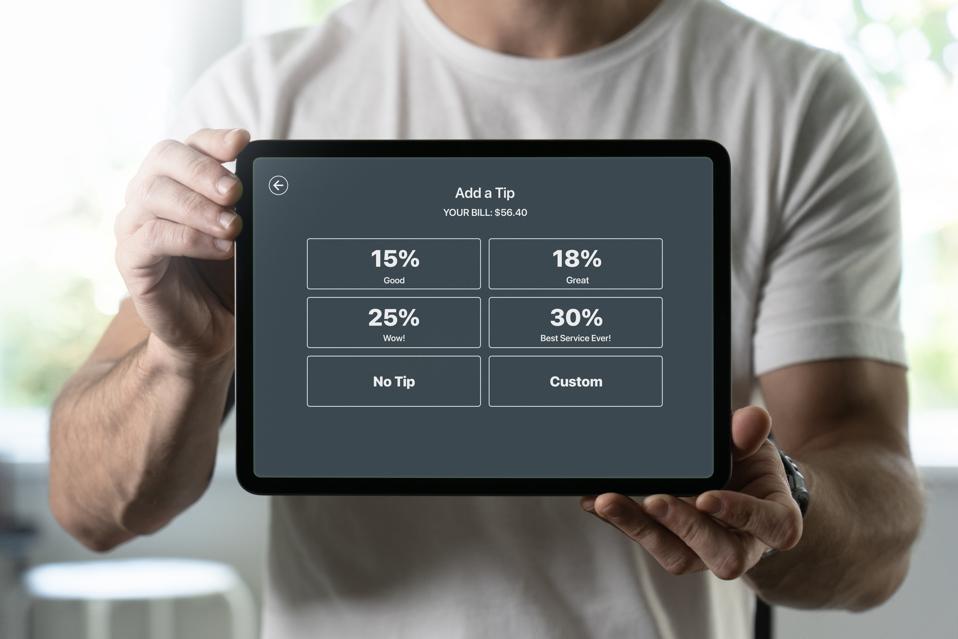

The Internal Revenue Service (IRS) has issued new guidance regarding tips and overtime deductions, providing clarity for employers and employees navigating complex tax rules. The updates come amid growing scrutiny of payroll practices and aim to help businesses comply while ensuring workers receive proper compensation.
Key Highlights of the IRS Guidance
1. Tips Reporting and Tax Treatment
- The IRS clarified how tips received by employees should be reported for federal tax purposes.
- Employers must ensure accurate tip reporting, including credit card tips and shared tip pools.
- Guidance emphasizes compliance with federal income tax withholding and Social Security/Medicare contributions.
2. Overtime Deduction Rules
- Employers can deduct overtime pay as a business expense, but must follow strict documentation requirements.
- The guidance outlines which types of overtime qualify for deductions and how to properly report them on payroll and tax filings.
- Certain exemptions for salaried employees and specialized roles are addressed.
3. Compliance Requirements
- Employers are responsible for maintaining accurate records of tips, overtime hours, and payroll deductions.
- Failure to comply may result in penalties, audits, or additional taxes owed.
- The guidance provides examples and clarifications to reduce common reporting errors.
Impact on Employees
Employees should be aware of the following:
- Tips must be reported accurately on their W-2 forms.
- Overtime pay will continue to be taxable income, but proper employer deductions ensure compliance and prevent disputes.
- Workers can confirm that reported tips and overtime align with pay stubs and IRS guidelines to avoid issues during tax filing.
Impact on Employers
Employers across industries, especially restaurants, hospitality, and retail, should:
- Review payroll systems to ensure tips and overtime are properly tracked.
- Train managers and HR staff on IRS-compliant documentation.
- Update internal policies to reflect the latest deduction and reporting requirements.
- Consult tax professionals for complex cases or industry-specific challenges.
Why This Guidance Matters
The IRS guidance is significant because:
- It reduces ambiguity in tip and overtime reporting.
- Helps prevent tax compliance issues that could lead to audits or penalties.
- Provides clarity for both employees and employers, especially in industries heavily reliant on tipped work.
- Aligns with ongoing efforts to ensure fair taxation and proper wage reporting.
Steps to Stay Compliant
- Educate Payroll and HR Staff – Make sure everyone understands the new rules.
- Audit Current Records – Verify tip reporting and overtime documentation are accurate.
- Use Updated Payroll Software – Ensure deductions, tips, and overtime calculations comply with IRS standards.
- Communicate With Employees – Keep staff informed about how tips and overtime affect taxes and payroll.
- Consult Professionals – Tax advisors can help navigate edge cases or complex deductions.
Conclusion
The IRS’s new guidance on tips and overtime deductions offers much-needed clarity for businesses and employees alike. By understanding the rules and implementing best practices, employers can maintain compliance, and workers can ensure proper reporting and taxation of their earnings. Staying proactive now can prevent costly errors and disputes during tax season.